Image: Shutterstock Images
Heartless and lacking emotion. Those were the words my father and brother used to describe me a few years ago. As piercing as their thoughts were, they weren’t wrong.
At the time, I chose to think instead of feel in any given situation, dismissing emotion as something that would only cloud my judgement. Recently, I came across the phrase “emotional intelligence” which caught my attention because it seemed like an oxymoron. How could someone be emotional and intelligent? Or better yet, how could one understand their own emotions and the emotions of those around them so well?
During my senior year of high school, my maternal grandmother passed away because of her chronic kidney disease that led to a sudden cardiac arrest. Then, exactly 11 months later during my first semester of college, my paternal grandfather was diagnosed with stage four lung cancer that had metastasized to his brain. Physicians ruled out radiation therapy and chemotherapy because as an 81-year-old, they argued he was too weak to withstand aggressive treatment, so he was moved to palliative care where he eventually passed away. Traveling to India three times within that year to either attend their funerals or visit bereaved relatives was emotionally and mentally taxing.
After their deaths, I would pick-and-choose when to make myself emotionally available to my family, friends, and ex-girlfriend. In retrospect, I understand why my own family thought I was emotionless and it’s because I disconnected my emotions from my actions and just went through the motions with everyone. Overwhelmed by my own suffering, that’s how I neglected my immediate family and avoided serious conversations about my well-being with friends who showed genuine concern. While distancing myself from everyone else, I realized I could never repay my grandparents for their love and care. However, I felt the least I could do was make them proud by turning my aspiration of becoming a physician into a reality.
I thought I could cope with my feelings by focusing my attention on my education and service opportunities.
I came across Global Medical Training at VCU through the Honors College weekly newsletter, a student organization that organized medical mission trips to countries such as Peru, Nicaragua, the Dominican Republic, and India. In order to be selected for a trip, I had to show commitment to the club’s mission, so I became heavily involved in their fundraising events and community service activities. Eventually, I was chosen for their trip to Nicaragua in May 2016.
Interacting with patients who struggled to access basic healthcare indirectly taught me to value the comfortable, long lives my grandparents had lived. They had the chance to meet and know their grandchildren, a chance some Nicaraguans may have lacked. More importantly, engaging the patients’ families reminded me that an individual’s illness can affect an entire household. My trip highlighted my failure to provide the emotional support, acceptance, and love my parents deserved from their oldest child when they needed it the most. I realized that my selfish decision to emotionally isolate myself only worsened my family’s situation.
So, through service, I thought I had coped with my own grief since I slowly reconnected, first with my peers and patients, then later with my family and friends.
But did I truly “fix” myself?
Mahatma Gandhi once said, “The best way to find yourself is to lose yourself in the service of others.” This famous (and notoriously overused) quote reflects how I chose to handle myself at the time. After serving on multiple mission trips over the past four years since the deaths of my grandparents, I can say that Gandhi’s saying is more idealistic than realistic. I tried “losing myself” in service of others, but a physician I recently spoke with mentioned my approach was a poor plan of action.
His words hit me like a ton of bricks, not because it felt insensitive, but because he was right.
I found more emotional relief in writing several drafts of this piece than I did in serving disadvantaged patients in Central American countries. That being said, I don’t regret throwing myself into service because it taught me to acknowledge the emotions of those around me.
Personally, I believe emotional intelligence is a multi-faceted concept. All of us should be able to recognize, control, and express the thoughts and emotions of ourselves and those we love meaning self-awareness, self-regulation, self-expression, and empathy for others. Four years ago, I was emotionally naïve and lost because of my nature and circumstances. Fast-forward to today, and I’m still a work-in-progress.
However, if there’s one lesson I’d like you as the reader to take away from this piece, it’s that I was wrong.
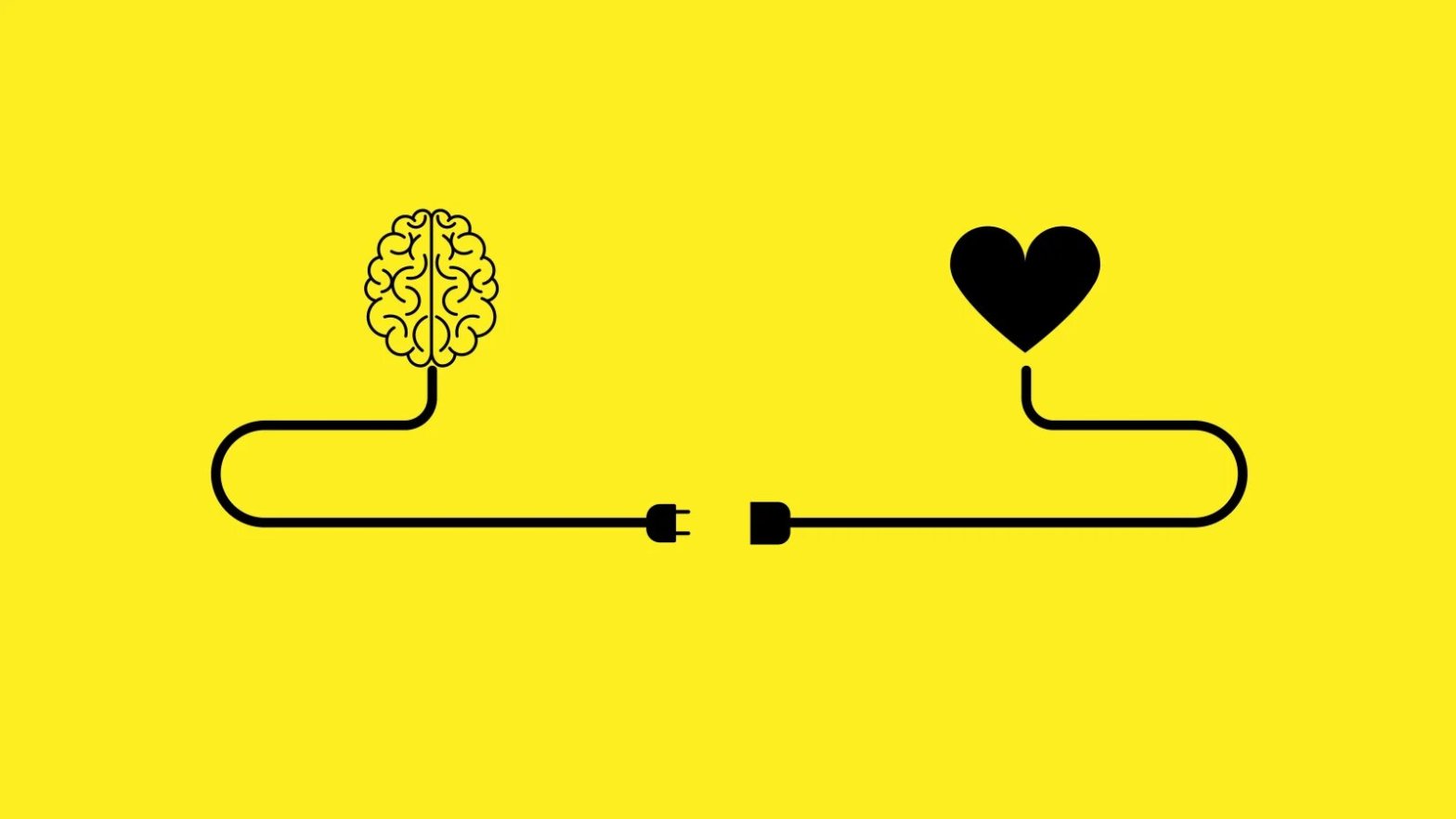
Emotion doesn’t always cloud your judgement, it can improve your judgement too. The only thing which separates us from machines is our ability to feel and being in-touch with your own emotions and those of others is essential to being human.
 Inside My Mind